







Driving to Niseko and Rusutsu from New Chitose: The Real Route, and Whether a Snow Beginner Should Take the Bus
The short answer first: if you have never driven on snow, take the bus. Getting from New Chitose Airport to Rusutsu or Niseko means crossing mountains, and Rusutsu Resort's own access guide says so plainly: the airport route crosses Bifue Pass, the Sapporo route crosses Nakayama Pass, and self-driving is recommended only for people used to winter roads. GoodCars rents cars, but this article is not here to talk you into one.
Winter tyres, black ice and ground blizzards are general topics that GoodCars already covers in the Hokkaido winter self-drive guide, so please read its checklist first. This page sticks to this one route: which roads you actually drive, how long it takes, how to carry skis, where to park at the resorts, and who should give up the steering wheel for a bus seat.

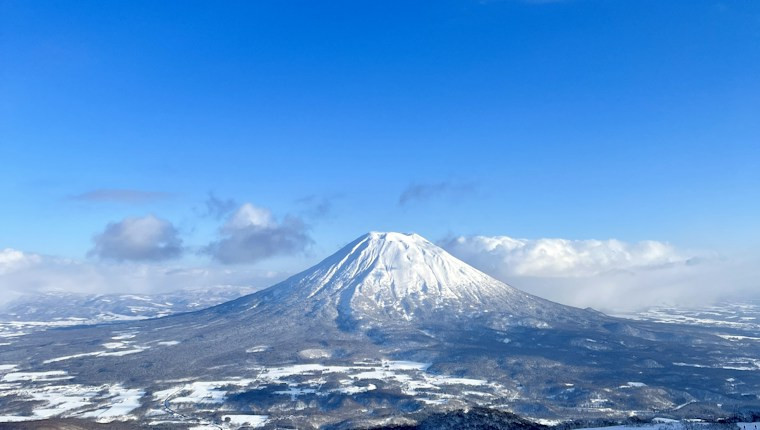
A clear day looks wonderful, but what matters on this route is the weather up on the pass that morning (illustrative image)
Start with the clock: even the bus timetable allows two hours
The drive times published by the resorts are normal-conditions references, not winter promises. A more honest yardstick is the bus timetable, written around professional drivers who run this road every day.
| Destination | Resort's own driving figure | Hokkaido Resort Liner timetable |
|---|---|---|
| Rusutsu Resort | About 90 minutes | About 1 hour 55 minutes |
| Niseko Hirafu | No official figure found | About 2 hours 30 to 2 hours 45 minutes |
| Niseko Annupuri | About 2 hours | About 3 hours 25 minutes (several stops) |
Third-party guides put the winter drive to Niseko at 2 hours 45 minutes or more, and Rusutsu at up to about 3 hours. The GoodCars advice: if you are not at home on snow, never plan on beating the bus. Allow 2.5 hours for Rusutsu and 3.5 hours for Niseko, and add more if it is snowing.
Three ways over: Bifue Pass, Nakayama Pass or the long way by expressway
From New Chitose there are three realistic routes, and each has its price.
| Route | Roads | Reference time | Watch for |
|---|---|---|---|
| A: Bifue Pass | Route 36, Prefectural Road 16, Route 276 past Lake Shikotsu, then Route 230; for Niseko, leave 276 for Prefectural Road 66 | Rusutsu about 90 min, Niseko about 2 hours | Shortest, all ordinary roads; Route 276 has been closed by blizzards |
| B: Nakayama Pass | Expressway to Sapporo, Route 230 (Ishiyama-dori), Nakayama Pass, Rusutsu | Sapporo to Rusutsu about 90 min; allow 1.5 hours or more in winter from the airport to Sapporo | Summit at 835 m, heavy truck traffic |
| C: Expressway loop | Expressway to Abuta-Toyako IC, Route 230, Rusutsu | Airport to Lake Toya about 1.5 hours; Toya Onsen to Rusutsu about 30 min | Avoids both passes above but is longer and includes tolls |

Weather on the pass has little to do with weather at the airport (illustrative image)
Route A is the airport route Rusutsu lists officially, and the one most navigation systems choose. Be prepared for how few fallbacks it has: road authority records show a blizzard closing about 32.5 km of Route 276 for more than a day, and a rockfall risk near Bifue once shut the road for months.
Route B suits anyone spending the first night in Sapporo. Hokkaido's regional road bureau describes Nakayama Pass as a section with severe winter weather. It is also the shortest link from Sapporo to Niseko and Lake Toya, and a national traffic survey (autumn weekdays) put large vehicles at about 16% of daytime traffic on the pass section, a high share, so expect to follow a lorry over the top.
Route C is not officially recommended as a better winter route anywhere we could find, and GoodCars does not claim it is. All we can say is that it avoids Bifue and Nakayama. It works best if you are already around Lake Toya; see the Noboribetsu and Lake Toya route. Check tolls with the official search using your actual interchanges, as we publish no estimate here. An ETC card is worth using only if your supplier offers one.
Check New Chitose Airport pick-up options
Carrying skis: work it out when you book, not at the counter
What separates a ski trip from an ordinary road trip is the long, awkward cargo. GoodCars suggests settling three things before you book:
- Count people and boards together. Boards inside the car usually mean folding part of the rear seat, which costs you seats. General guidance also points to SUVs and minivans as the cars with enough seat flexibility. Do not book a compact for four people with four sets of gear.
- Do not assume a roof rack. We found no consistent information on availability or cost across New Chitose suppliers. It depends on the supplier and the car, so confirm when booking and go by what the booking page shows.
- Bag and secure anything inside the car. Edges and wet snow should not sit loose, boards must not slide forward under braking, and your rear view must stay clear.

Not every car has a ski rack, so check whether yours can carry gear when you book (illustrative image)
If the sums push you into a much bigger car, consider the alternatives: bring only boots and clothing and rent skis locally, which can drop you a car size, or take the bus, where gear goes in the luggage hold.
Resort parking: Rusutsu is simple, Hirafu is the problem
Rusutsu: the resort states that in winter both overnight guests and day visitors park free. Fees only apply on summer weekends and holidays. This is the biggest practical difference between the two areas, and a real reason drivers lean towards Rusutsu.
Niseko Hirafu: the town-run Hirafu No. 1 car park in front of the slopes has about 135 spaces. Kutchan Town has run paid-parking trials there in recent winters, at 600 yen an hour with a 3,000 yen daily cap and a special New Year rate. The method has changed from season to season, from advance booking to plate recognition with cashless payment. The latest trial ended in late February and the car park reverted to free. We could not find any announcement for this season, so check notices from Kutchan Town or the Hirafu area management body before you go.

Snow clearing is routine in outdoor car parks during the season, so keep out of restricted areas (illustrative image)
Niseko Village and Annupuri: we found only third-party mentions of car parks, and no official notice on day-visitor fees, so we leave this blank. Ask the resort or your accommodation. Shuttle buses link the Niseko resorts, and recent sources say they are free with an all-mountain pass; check the current season's notice. It also means that if you are staying in Niseko, you may not need a car to change resorts.
Car versus shuttle bus: who should switch
| Item | Self-drive | Hokkaido Resort Liner | Taxi (Rusutsu's estimate) |
|---|---|---|---|
| One-way cost | See booking page, plus fuel | Rusutsu adult 5,500 yen, child 4,500 yen; Niseko adult 6,000 yen, child 5,000 yen | From about 32,800 yen to Rusutsu |
| Flexibility | High | Around 8 departures a day, the last at about 19:30 | High |
| Ski gear | Limited by the car | Gear plus 1 bag in the hold; gear must be bagged; no ski boots on board | Depends on vehicle |
| When it snows | You decide and you drive | May be delayed or cancelled, but you are not driving | Depends on operator |
The Resort Liner runs from about early December to late March, with some departures on a shorter season. Check fares and times on the Hokkaido Access Network site. Cancellation fees from 30% to 100% apply within seven days. Chuo Bus also runs winter ski buses to Niseko, and Rusutsu Resort has an airport bus, BIGRUNS, which must be booked in advance; see the resort's official site.

Snow is far more relaxing to watch from a bus seat than from behind the wheel (illustrative image)
- You have never driven on packed snow, or you are the only driver
- Your flight lands in the afternoon and you would arrive after dark (around 16:00 in December)
- You are staying at one resort, so the car would mostly sit parked
- You are staying in Hirafu with no parking of your own
- Your flight home leaves the same day you come down, with no buffer
- You plan to ski all day, then drive to Sapporo in the evening
Driving makes more sense for people with real snow experience, at least two drivers, plans to move between Rusutsu and Niseko (a rough official 30 minutes, but Rusutsu's direct bus from Hirafu is timed at about 45, so allow more in winter), or a family with lots of luggage. Rusutsu itself notes that a car is handy for ski gear in winter. One thing to be clear about: GoodCars has only one Hokkaido pick-up point, New Chitose, so taking a bus up and renting at the resort is not an option with us.
If you do drive: how to time this route
If you decide to drive, tie the schedule to daylight rather than to ski time:
- Going up: work back from arriving before 16:00. For Rusutsu that means leaving the airport by about 13:00 at the latest, earlier for Niseko. Only consider same-day driving if you land in the morning.
- Landing in the afternoon: spend the first night in Chitose or Sapporo and leave the next morning. Pick-up time limits are in the New Chitose Airport pick-up guide.
- Coming back: come down the day before your flight and stay in Chitose or Sapporo. When a pass closes, what you need is time, not a faster car.
- That morning: check conditions before choosing a route, using the methods in the winter driving guide. If the weather is wrong, do not go. An extra night at the resort costs less than being stuck on a pass.

Visibility on snow drops sharply after dark, so plan to cross in daylight (illustrative image)
The same road in summer is a different proposition; the Hokkaido car rental guide covers year-round planning. If this is your first Hokkaido trip and you want snow, GoodCars would rather see you ski by bus in winter and save the driving for summer.
Pick-up and documents
Your Hokkaido pick-up point is New Chitose Airport. For winter tyres and 4WD, go by what the booking page shows and confirm in person at pick-up. Insurance details are likewise as shown on the booking page, so read them before you book through GoodCars.
Most visitors need a 1949 Geneva Convention International Driving Permit, their home licence and their passport. Japan accepts only the Geneva format; a Vienna-format permit is not valid. Switzerland, Germany, France, Belgium, Monaco and Taiwan are the exception: drivers from these places need their licence plus an official Japanese translation from JAF or their embassy, and a self-made translation does not count. Licences from mainland China and Indonesia cannot be used in Japan, even with a permit. You may drive for up to one year from entry, within your licence's validity. Details are in the complete guide to renting a car in Japan.

Landing in snow is no reason to rush: have your documents ready and confirm winter tyres and 4WD in person at pick-up (illustrative image)
Frequently asked questions
Q1. Can I drive to Niseko if I have never driven on snow?
GoodCars advises against it. The route has to cross mountains, and Rusutsu recommends self-driving only for people used to winter roads. Direct buses run in winter and cost less than you might expect, so take one for your first trip.
Q2. Which suits self-drivers better, Rusutsu or Niseko?
Rusutsu is simpler: a shorter drive and free winter parking. Niseko is further, and parking and overnight stays around Hirafu are restricted. Both still mean crossing mountains, so the road risk is no different.
Q3. How long is the winter drive from New Chitose to Niseko?
A hotel's official reference is about 2 hours, third-party winter estimates start at 2 hours 45 minutes, and the bus allows 2.5 to 2.75 hours to Hirafu. If snow is unfamiliar, allow 3.5 hours and book nothing tight afterwards.
Q4. Will my skis fit in a rental car?
It depends on the car and the number of people. Roof racks vary by supplier, and GoodCars cannot guarantee them on a supplier's behalf, so confirm when booking. For several people with gear, choose an SUV or minivan, or rent equipment locally.
Q5. Can I park overnight at Hirafu?
No. A joint notice from the local police and the town bans overnight parking: no parking at Hirafu No. 1 from 23:00 to 8:00, and it is locked at 23:00 (last season's version; check the current one). Stay somewhere with its own parking, and ask before you book.
Q6. Can I stay in Niseko and day-trip to Rusutsu?
The rough official figure is about 30 minutes, but Rusutsu's direct bus from Hirafu is timed at about 45, so allow more in winter. It is feasible only in good daytime weather, and be back before dark. If you would rather not drive, seasonal paid shuttles exist; check the current season's times and fares.
Q7. Does taking the bus remove every problem?
No. Buses are delayed or cancelled in bad weather too, and the terms allow route changes and cancellations. The difference is that the judgement and the driving belong to a professional. Leave plenty of time before your flight home, which is the same advice GoodCars gives drivers.
Book a New Chitose Airport pick-up
- New Chitose Airport (Hokkaido)
- Narita Airport / Chiba Station / Kinshicho Station (Tokyo and Kanto)
- Fukuoka Airport (Kyushu)
- Naha Airport (Okinawa)