'%3e%3cpath%20fill='red'%20d='M0%200h720v480H0z'/%3e%3cpath%20fill='%23000095'%20d='M0%200h360v240H0z'/%3e%3cg%20fill='%23fff'%3e%3cpath%20d='m154%20126.9-2.5%209.6%209.4%202.6-1.8-7.1zm46.9%205.1-1.8%207.1%209.4-2.6-2.5-9.6zm-41.8-24-5.1%205.1%201.9%206.9z'/%3e%3cpath%20d='m155.9%20120-1.9%206.9%205.1%205.1z'/%3e%3cpath%20d='m154%20113.1-6.9%206.9%206.9%206.9%201.9-6.9zm14%2027.8%205.1%205.1%206.9-1.9zm18.9%205.1%209.6%202.5%202.6-9.4-7.1%201.8z'/%3e%3cpath%20d='m192%20140.9%207.1-1.8%201.8-7.1zm-31.1-1.8%202.6%209.4%209.6-2.5-5.1-5.1zm19.1%205%206.9%201.9%205.1-5.1z'/%3e%3cpath%20d='m173.1%20146%206.9%206.9%206.9-6.9-6.9-1.9zm-12.2-45.1-9.4%202.6%202.5%209.6%205.1-5.1zm-1.8%2031.1%201.8%207.1%207.1%201.8zm45-12%201.9-6.9-5.1-5.1z'/%3e%3cpath%20d='m168%2099.1-7.1%201.8-1.8%207.1zm32.9%208.9-1.8-7.1-7.1-1.8zm5.1%2018.9%206.9-6.9-6.9-6.9-1.9%206.9z'/%3e%3cpath%20d='m200.9%20108-8.9-8.9-12-3.2-12%203.2-8.9%208.9-3.2%2012%203.2%2012%208.9%208.9%2012%203.2%2012-3.2%208.9-8.9%203.2-12z'/%3e%3cpath%20d='m200.9%20132%205.1-5.1-1.9-6.9zm5.1-18.9%202.5-9.6-9.4-2.6%201.8%207.1zm-6.9-12.2-2.6-9.4-9.6%202.5%205.1%205.1zm-26-6.9-9.6-2.5-2.6%209.4%207.1-1.8zm6.9%201.9-6.9-1.9-5.1%205.1z'/%3e%3cpath%20d='m186.9%2094-6.9-6.9-6.9%206.9%206.9%201.9z'/%3e%3cpath%20d='m192%2099.1-5.1-5.1-6.9%201.9zM173.1%20146l-9.6%202.5%204.5%2016.6%2012-12.2zm-5.1%2019.1%2012%2044.9%2012-44.9-12-12.2zm-7.1-26-9.4-2.6-4.4%2016.4%2016.4-4.4z'/%3e%3cpath%20d='m147.1%20152.9-12%2045.1%2032.9-32.9-4.5-16.6zm-12-20.9L102%20165.1l45.1-12.2%204.4-16.4z'/%3e%3cpath%20d='m154%20126.9-6.9-6.9-12%2012%2016.4%204.5zm0-13.8-2.5-9.6-16.4%204.5%2012%2012z'/%3e%3cpath%20d='M135.1%20108%2090%20120l45.1%2012%2012-12zm90%2024-16.6%204.5%204.4%2016.4%2045.1%2012.2z'/%3e%3cpath%20d='m199.1%20139.1-2.6%209.4%2016.4%204.4-4.4-16.4zm-12.2%206.9-6.9%206.9%2012%2012.2%204.5-16.6zm19.1-19.1%202.5%209.6%2016.6-4.5-12.2-12z'/%3e%3cpath%20d='m192%20165.1%2033.1%2032.9-12.2-45.1-16.4-4.4zm7.1-64.2%209.4%202.6%204.4-16.4-16.4%204.4z'/%3e%3cpath%20d='M225.1%20108%20258%2075.1l-45.1%2012-4.4%2016.4zm-12.2-20.9L225.1%2042%20192%2075.1l4.5%2016.4zm12.2%2044.9%2044.9-12-44.9-12-12.2%2012z'/%3e%3cpath%20d='m206%20113.1%206.9%206.9%2012.2-12-16.6-4.5zm-38-38L135.1%2042l12%2045.1%2016.4%204.4z'/%3e%3cpath%20d='m160.9%20100.9%202.6-9.4-16.4-4.4%204.4%2016.4z'/%3e%3cpath%20d='m147.1%2087.1-45.1-12%2033.1%2032.9%2016.4-4.5zm39.8%206.9%209.6-2.5-4.5-16.4-12%2012z'/%3e%3cpath%20d='M192%2075.1%20180%2030l-12%2045.1%2012%2012z'/%3e%3cpath%20d='m173.1%2094%206.9-6.9-12-12-4.5%2016.4z'/%3e%3c/g%3e%3ccircle%20cx='180'%20cy='120'%20r='51.1'%20fill='%23000095'/%3e%3ccircle%20cx='180'%20cy='120'%20r='45.1'%20fill='%23fff'/%3e%3c/g%3e%3c/svg%3e)
'%20d='m0%200%2016%2011h61%2061%2061%2061%2060L47%2037h61%2061%2060%2061L16%2063h61%2061%2061%2061%2060L47%2089h61%2061%2060%2061L16%20115h61%2061%2061%2061%2060L47%20141h61%2061%2060%2061L16%20166h61%2061%2061%2061%2060L47%20192h61%2061%2060%2061L16%20218h61%2061%2061%2061%2060L0%200'/%3e%3c/svg%3e)

'%20d='M-50-12v24m6%200v-24m6%200v24m76%200V1m0-2v-11m6%200v11m0%202v11m6%200V1m0-2v-11'/%3e%3cpath%20transform='rotate(-33.69006752598)'%20d='M-50-12v24m6%200V1m0-2v-11m6%200v24m76%200V1m0-2v-11m6%200v24m6%200V1m0-2v-11'/%3e%3c/g%3e%3cg%20transform='rotate(33.69006752598)'%3e%3cpath%20fill='%23cd2e3a'%20d='M12%200a18%2018%200%2011-36%200%2024%2024%200%201148%200'/%3e%3cpath%20fill='%230047a0'%20d='M0%200a12%2012%200%201124%200%2024%2024%200%2011-48%200%2012%2012%200%201024%200'/%3e%3c/g%3e%3c/svg%3e)


Renting a Car in Taiwan with a Japanese Driver's License: JAF Translation, Right-Side Driving & Pickup Guide
Japan is one of Taiwan's biggest sources of visitors, and many Japanese travelers — or their friends and families planning a trip together — want to explore Jiufen, Sun Moon Lake, and Alishan by rental car. The first question is always: can you rent a car in Taiwan with a Japanese driver's license, and do you need an International Driving Permit (IDP)? The answer is surprising: Japanese drivers in Taiwan don't use an IDP at all. They drive with their Japanese license plus an official Chinese translation. This guide from GoodCars covers the legal basis, how to get the translation, the switch from left-side to right-side driving, key traffic rules, and the full pickup process.

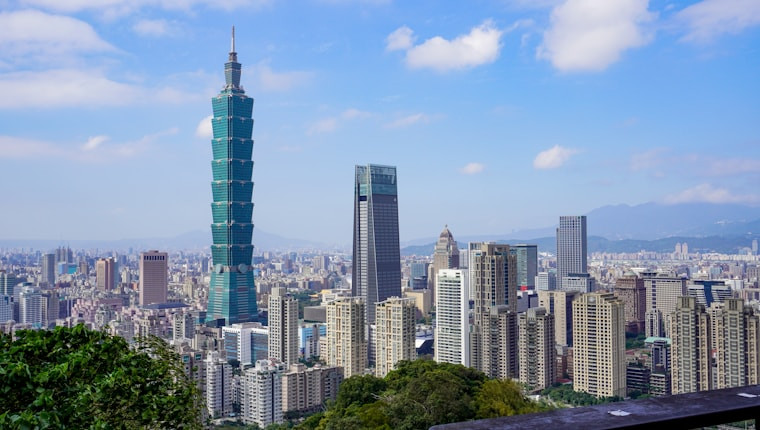
The Taipei skyline — most Japanese visitors start their Taiwan road trip from Taipei or Taoyuan Airport (illustrative image)
The Legal Basis: Taiwan–Japan Mutual License Recognition
Taiwan and Japan have a reciprocal driver's license agreement. A valid Japanese driver's license, accompanied by an officially issued Chinese translation, allows the holder to drive legally in Taiwan for up to one year per entry. The arrangement works both ways — Taiwanese drivers use their license plus a Japanese translation in Japan.
This is completely different from the rules for travelers from the US, UK, or Hong Kong, who do use their home license plus an IDP. It is the most common mistake Japanese visitors make — at GoodCars branches we see customers every year who brought only an IDP and could not collect their car. Prepare in advance.
How to Get the Chinese Translation: JAF or the Exchange Association
Only two organizations issue valid translations — documents from commercial translation agencies are not accepted:
| Channel | Location | How to apply | Fee |
|---|---|---|---|
| JAF (Japan Automobile Federation) | In Japan | Counter, mail, or online | A few thousand yen — check JAF's official site |
| Japan–Taiwan Exchange Association | Taipei & Kaohsiung offices | In person | Per the association's official notice |
The smoothest option is to apply through JAF before departure; allow one to two weeks in busy seasons if applying by mail or online. If you only realize after arriving in Taiwan, the Japan–Taiwan Exchange Association offices in Taipei and Kaohsiung accept walk-in applications — at the cost of precious travel time.
- Japanese driver's license (original, valid)
- Chinese translation (issued by JAF or the Japan–Taiwan Exchange Association)
- Passport (to verify the entry date — driving is permitted within one year of entry)
- A credit card in the driver's name (payment and deposit)

License, translation, and passport — all three are required at pickup (illustrative image)
Left-Hand Drive vs Right-Hand Drive: 7 Things Japanese Drivers Get Wrong
Taiwan drives on the right side of the road with left-hand-drive cars — the exact opposite of Japan. The first few hours are when mistakes happen. Watch these seven points:
- 1. Opposite traffic direction: after every turn, confirm you are entering the right-hand lane. Right turns are tight, left turns are wide — the reverse of Japan.
- 2. The driver's seat is on the left: walking to the right-side door out of habit puts you in the passenger seat.
- 3. Wiper and indicator stalks are swapped: flicking the wipers when you mean to signal is the classic Japanese-driver mistake in Taiwan.
- 4. No right turn on red: conceptually the same as Japan's no-left-on-red rule, unless a dedicated signal allows it.
- 5. Scooters everywhere: Taiwan's scooter density is far beyond Japan's. Check mirrors and blind spots before every lane change or turn.
- 6. Speed limits in km/h: same unit as Japan. Highways run 100–110 km/h, urban roads 40–50 km/h, with dense speed-camera coverage.
- 7. Flashing signals: flashing yellow means slow down; flashing red means stop, then proceed.

Cars in Taiwan are left-hand drive, with wiper and indicator stalks reversed from Japanese cars (illustrative image)
The GoodCars fleet is built around Japanese brands like TOYOTA, so the dashboard and controls feel instantly familiar. At pickup, our staff help adjust seats and mirrors and brief you on Taiwan driving essentials. Full-coverage protection plans are available for extra peace of mind.
Check rates & book nowTaiwan Traffic Rules at a Glance
| Item | Taiwan rule | Difference from Japan |
|---|---|---|
| Traffic direction | Right-side traffic, left-hand drive | Completely opposite |
| Highway speed limit | Mostly 100–110 km/h | Similar to Japanese expressways |
| Urban speed limit | 40–50 km/h | Similar to Japan |
| Right turn on red | Prohibited in principle | Like Japan's no-left-on-red |
| Highway tolls | Electronic (eTag) only | No toll booths; the rental company settles tolls |
| Drink driving | Extremely strict — zero alcohol recommended | Strict in both countries; heavy fines in Taiwan |
| Child seats | Mandatory for young children | Same as Japan; rentals available |
Taiwan's freeways use fully electronic eTag tolling with no toll booths. Every GoodCars vehicle comes with an eTag installed; tolls are settled after you return the car — no extra steps needed.
Road-Trip Routes Japanese Visitors Love
- Taipei day trips: Jiufen, Shifen, and Yehliu Geopark — awkward by train, effortless by car.
- Taipei → Hualien & Taroko Gorge: south along the Pacific on the Suhua Highway to gorge scenery often compared to Kurobe.
- Taichung → Sun Moon Lake & Cingjing Farm: lake and alpine pasture, perfect for an overnight loop.
- Chiayi → Alishan: home of the Japanese-era forest railway, giant cypress trees, sunrise and sea of clouds.
- Kaohsiung → Kenting & Xiaoliuqiu: the tropical south, warm even in winter.

Taiwan's mountain roads — scenery the train can't reach (illustrative image)
GoodCars Pickup in 6 Steps
- Step 1: Book online at goodcars.tw (multilingual interface) — choose your branch and vehicle.
- Step 2: Prepare the three documents — license, Chinese translation, passport.
- Step 3: Arrive at the branch (Taipei Main Station, Taoyuan Airport, Taichung, Kaohsiung and more, plus 24-hour self-service pickup points).
- Step 4: Document check, choose your protection plan, inspect and photograph the car together.
- Step 5: Staff explain the eTag, the fuel card and mileage-based charging, and emergency contacts.
- Step 6: Hit the road! Just return at the agreed time - no need to refuel.
Which protection plan?
GoodCars offers three layers of protection: basic collision damage coverage (CDW), a reduced-excess plan, and third-party liability. For drivers new to Taiwan's roads, we recommend the top-tier plan — a small premium for full peace of mind.
GoodCars operates branches and 24-hour self-service pickup points near major stations and airports across Taiwan. Booking takes as little as 3 minutes, and booking direct on our official site always gets you the best rate.
Check rates & book nowFAQ
Q1: Can foreigners rent a car in Taiwan with just their home-country license?
Most nationalities need their home license plus an International Driving Permit (IDP). Japan is the big exception: Japanese drivers use their license plus an official Chinese translation instead — a Japanese-issued IDP is not valid in Taiwan.
Q2: Where do Japanese drivers get the Chinese translation?
From JAF in Japan (counter, mail, or online) before the trip, or from the Japan–Taiwan Exchange Association offices in Taipei or Kaohsiung after arrival. Commercial translations are not accepted.
Q3: How hard is the switch from left-side to right-side driving?
Most drivers adapt within an hour or two. The two key habits: confirm your lane after every turn, and remember the indicator and wiper stalks are swapped.
Q4: How do highway tolls work?
Taiwan uses electronic eTag tolling with no toll booths. All GoodCars vehicles have eTags installed and tolls are billed after return — no cash, no paperwork.
Q5: Can I pick up in one city and return in another?
Yes. GoodCars supports one-way rentals between major cities such as Taipei, Taichung, and Kaohsiung. Fees are shown when you book.
Q6: What if I have an accident or breakdown?
GoodCars provides roadside assistance and multilingual online support. In an accident, call the police first (110) to obtain a report — required for insurance — then contact your branch.
Images in this article are from Unsplash, a free commercial-use image library, used under the Unsplash License. They are illustrative only and do not depict actual vehicles, branches, or customers.
This article was produced by the GoodCars team in collaboration with AI and reviewed by humans. Regulations and fees may change — always confirm with the transport authorities, JAF, or the Japan–Taiwan Exchange Association.